Add Row
Add Element
UPDATE
Add Element
  • Home
  • Categories
    • Media Channel
    • Fitness
    • Lifestyle
    • Technology
    • Software
    • AI
    • HealthTech
    • Retention
    • Fitness Apps
    • Community
    • Nutrition
    • Automation
    • Personalization
    • Analytics
    • Fit Recipes
    • Special Event
    • Health
    • Extra News
    • Local News
March 06.2025
3 Minutes Read

Unlock Your Athletic Potential: Why You Need to Train Your Abductor and Adductor Muscles

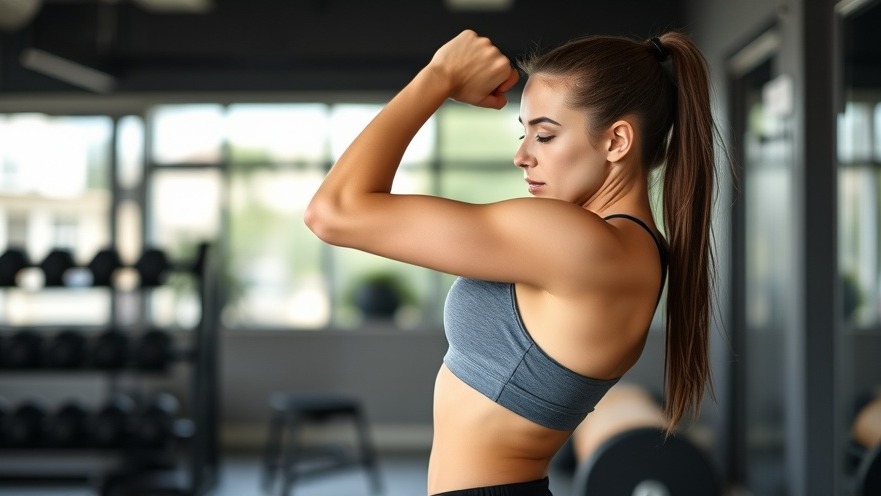
Dedicated female athlete performing abductor exercises for muscle strength training


Unlock Your Athletic Potential: Why You Need to Train Your Abductor and Adductor Muscles

In the world of fitness, one often neglected aspect is the training of the abductor and adductor muscles. If you’re walking into a gym and heading towards the heavy weights without considering these essential muscle groups, you might be missing out on advancing your performance and preventing injuries. Let’s explore why incorporating specific exercises for these muscles can complement your lifting or athletic training.

Understanding Abductors and Adductors: The Basics

The adductors are located on your inner thighs and are primarily responsible for drawing your legs toward the center of your body. They are crucial for stability during dynamic movements like jumping or sprinting. Conversely, the abductors, found on your outer thighs, move your legs away from the body's midline. This action is essential not just for athletes but also for everyday activities, such as stepping out of a car or even getting up from a chair.

The Importance of Incorporating Abductor and Adductor Training

Many individuals often overlook these crucial muscle groups in their training routines. Yet, neglecting the abductors and adductors can lead to muscle imbalances and increase the risk of injury. Training these muscles enhances your balance, agility, and overall strength. A study highlighted in various sources states that a healthy muscle balance between the abductors and adductors is vital; ideally, adductors should possess at least 80% of the strength of abductors to prevent injury.

Benefits of Stronger Abductor and Adductor Muscles

Investing time in strengthening your abductors and adductors not only helps mitigate injury risks but also improves your performance in compound lifts such as squats and deadlifts. These muscles act as stabilizers, aiding in maintaining proper form during heavy lifts. Moreover, enhancing the strength and flexibility of these muscles can lead to improved posture and decreased lower back pain, which often stems from weak hip musculature.

Simple Exercises You Can Do Without Machines

You don't need fancy equipment to train your abductors and adductors effectively. Here are some simple yet potent exercises:

  • Wide Stance Squats: This exercise targets the inner thighs effectively. Start slow, bending your knees and lowering your thighs to at least a 45-degree angle before gradually building up to 90 degrees.

  • Side Lying Leg Raises: A bodyweight exercise ideal for beginners. Lie on your side and lift the bottom leg to work the adductors.

  • Clamshells: This beginner-level exercise strengthens the gluteus medius, helping target the abductors.

  • Lateral Lunges: Perfect for warming up, this move engages both abductors and adductors as you step to the side.

Practical Insights for Fitness Enthusiasts

Incorporating patterns that promote lateral movement can significantly distinguish performance and strength. Engaging in exercises that involve abduction and adduction keeps the body agile and responsive, essential attributes in any sport. Additionally, adding these exercises to your warm-up routine or as a finisher in your workout can prevent soreness and improve muscle efficiency.

Future Trends in Fitness Training: The Focus on Lateral Movement

As the fitness landscape continues to evolve, there is an increasing focus on the importance of balance and functionality in training. Exercise routines that promote lateral movement—such as side shuffles and lateral lunges—will become increasingly emphasized as professionals continue to advocate for a well-rounded approach to fitness that addresses common areas of neglect.

Conclusion: Prioritize Your Abductors and Adductors Today

So the next time you’re in the gym pondering which exercises to perform, don’t forget about your abductors and adductors. Prioritizing strength and flexibility in these muscle groups will not only enhance your athletic performance but also promote overall health and injury prevention.

For tailored advice or to get started on an effective training program, consider speaking with a local fitness trainer at your nearest gym. They can help design a routine that meets your specific goals and helps you incorporate these essential exercises effectively.


Fitness

Write A Comment

*
*
Related Posts All Posts
12.27.2025

Transform Your Body with Effective 30-Minute Fat Burn Workouts!

Update The Importance of At-Home Workouts In today's fast-paced world, finding time to visit the gym can be a challenge, especially for beginners. The emergence of at-home workouts has revolutionized fitness, making it accessible for everyone, regardless of their schedule. With the right routine, you can accomplish significant results without ever stepping foot in a gym. The health and fitness community is buzzing about these opportunities as they empower individuals to take control of their health in familiar surroundings.In "Quick Fat Burn with 30 Min WeightLoss Workout - Perfect for Beginners!", the discussion dives into the significance of at-home workouts and effective fat-burning routines, exploring key insights that sparked deeper analysis on our end. Key Benefits of a 30-Minute Fat Burning Routine The workout featured in the video "Quick Fat Burn with 30 Min WeightLoss Workout - Perfect for Beginners!" presents a structured approach to burning belly fat in just 30 minutes. This routine not only promotes fat loss but also enhances cardiovascular health, boosts mood, and increases energy levels. Involving bodyweight exercises allows participants to build strength and endurance using their own weight, a method that is not only effective but also safe for new exercisers. Nutrition: The Other Half of the Equation As highlighted in the video, pairing regular workouts with clean eating is crucial for achieving desired results. A focus on whole foods, minimizing sugar and processed carbohydrates, contributes significantly to weight loss and overall health. Understanding the relationship between diet and exercise ensures that those committed to a fitness journey make choices that support their goals. Gradual Progression: Essential for Success The structured weekly increase in workout frequency encourages gradual adaptation as fitness levels improve. Starting from three days a week and gradually moving up to six allows the body to adjust, building strength without risking injury. This method is not only sustainable but also fosters a sense of accomplishment that can motivate individuals to stick with their fitness goals. Challenges and Solutions in Fitness Routines Any workout routine can come with its share of challenges, from lack of motivation to difficulty in maintaining consistency. Addressing these factors is essential for beginners looking to get the most out of their workouts. Setting realistic goals, keeping a workout journal, and finding a workout buddy can enhance commitment and accountability. Also, recognizing that progress takes time can help alleviate frustration and keep one focused on the end goal. The Impact of Community in Fitness Creating a supportive community is vital for those embarking on a fitness journey. Through online platforms, fitness enthusiasts can share their experiences, tips, and encouragement with one another. Engaging in a community helps beginners feel connected and less isolated, ultimately increasing their likelihood of sticking with their workout plan. In conclusion, the video "Quick Fat Burn with 30 Min WeightLoss Workout - Perfect for Beginners!" effectively highlights essential strategies for those new to exercise, consistently demonstrating the efficacy of simple but powerful bodyweight workouts. By integrating these exercises into a well-rounded approach that also emphasizes nutrition and community support, anyone can embark on a successful fitness journey and expect to see results. Whether you're a gym owner or a fitness trainer, incorporating such routines and advice into your programs can significantly enhance the success of your clients. Encourage them to share their experiences and stay motivated as they embark on this transformative journey.

12.28.2025

Elevate Your Fitness Routine with Dumbbell Lateral Raises: A Must-Do for Defined Shoulders

Update Unlocking Defined Shoulders: The Dumbbell Lateral Raise If you aspire to have strong and well-defined shoulders, incorporating the dumbbell lateral raise into your workout routine is essential. This targeted exercise not only promotes strength and muscle definition in the lateral deltoids but also enhances overall shoulder stability and aesthetic appeal. A proper execution of this move is crucial to achieving results. Let's explore how to do it effectively and understand its myriad benefits. Understanding the Benefits of Dumbbell Lateral Raises The dumbbell lateral raise primarily focuses on the lateral deltoids, which significantly influence your shoulder's appearance and sturdiness. By strengthening these muscles, you not only attain a visually appealing shoulder width but also foster joint stability. Well-developed lateral deltoids lead to optimal shoulder function, which can prevent injuries during other pressing movements. The benefits extend beyond aesthetics. Regularly performing lateral raises can enhance your performance across various upper-body exercises. By creating a balance in shoulder strength, you reduce the risk of injury and improve your daily functional movements. Whether you’re lifting groceries or reaching for a shelf, strong lateral deltoids matter! Mastering the Technique: How to Perform Lateral Raises Correctly While the dumbbell lateral raise may appear straightforward, correct form is vital. Here’s how to perform this exercise: Start by standing tall with a dumbbell in each hand, palms facing your sides and feet hip-width apart. With a slight bend in the elbows, exhale as you raise your arms out to the sides until they’re parallel to the ground. Hold for a moment at the top to feel the contraction before lowering slowly. Prioritize control over speed—this ensures you reap the benefits while minimizing the risk of injury. Common Mistakes and How to Avoid Them Even though the lateral raise seems simple, many can fall prey to common mistakes. A frequent error involves lifting weights that are too heavy, leading to compromised form. It's essential to choose a weight that allows for eight to ten good repetitions without forcing you into awkward positions. Another mistake is lifting the dumbbells too high. Ideally, you should only raise until your arms are shoulder height to prevent discomfort and strain. Lastly, avoid using momentum during the lift; this steals the effort from your deltoids. Remember, lead with your elbows, and keep those shoulders relaxed and back throughout the movement. Integrating Lateral Raises into Your Routine For best results, aim to incorporate lateral raises into your upper body workouts two to three times per week. As you progress, consider increasing the weights gradually while maintaining proper form. This not only builds strength but also keeps your workout routine dynamic and engaging! Lateral raises can easily fit into a broader routine; pairing them with front raises and reverse flies in a circuit can comprehensively target all sections of your deltoids. This approach provides not just build-up in strength, but variety and excitement in workouts. In conclusion, mastering the technique of dumbbell lateral raises can bring extensive benefits to your training journey. Aim to build those defined shoulders—it’s time to start feeling stronger and more balanced in your movements. Now, who’s ready to get started?

12.28.2025

Unlock Strength and Stability with Dumbbell Bulgarian Split Squats

Update A Comprehensive Guide to the Bulgarian Split Squat If you're seeking to enhance your leg day routine, the Bulgarian split squat with dumbbells is an incredible exercise that should not be overlooked. More than just a simple lower-body workout, it promotes strength, coordination, and stability, significantly boosting your overall fitness regimen. What Is the Dumbbell Bulgarian Split Squat? The Bulgarian split squat is a variation of the traditional squat that focuses on one leg at a time. By elevating your back foot on a sturdy surface, you increase your range of motion and give your muscles a rigorous workout. This exercise primarily targets your quadriceps, glutes, hamstrings, calves, and core, allowing you to engage multiple muscle groups with one movement. Understanding the Muscle Engagement During the Bulgarian split squat, your front leg bears most of your body's weight while your elevated leg helps stabilize your posture. This allows you to improve not just strength but also muscle coordination and balance. By engaging your rear leg and core, this workout also leads to better core strength and hip stability, an aspect crucial for athletes and everyday fitness enthusiasts alike. This unique dynamic helps identify and remedy any muscle imbalances in your legs. How to Perform the Bulgarian Split Squat Here’s a step-by-step guide on how to effectively perform this powerful exercise: Set Yourself Up: Stand a foot or two in front of a bench or sturdy platform, holding dumbbells by your sides. Rest Your Back Leg: Place the top of your foot on the bench behind you, ensuring your front foot is firmly planted. Engage Your Core: Draw your core muscles in while maintaining an upright chest. This helps in avoiding any leaning forward that might compromise your posture. Begin Your Descent: Lower your body by bending the front knee until your back knee nearly touches the ground, ensuring your front knee does not extend beyond your toes. Drive Up: Push through the heel of your front foot to return to the starting position. Common Mistakes and Tips to Avoid It's essential to maintain proper form to avoid injuries. One common mistake is allowing the front knee to extend too far, which can strain your joints. Additionally, ensure that your back leg is extended enough to provide support; if it's too close, you might lose balance. Incorporating Variations for Progression Once you master the basic Bulgarian split squat, consider trying a few variations to advance your workout. Popular options include holding a kettlebell in a goblet position or utilizing a stability ball for added challenge. Each version of the exercise can target slightly different muscle groups and serve to keep your workout fresh. The Broader Benefits of the Bulgarian Split Squat The benefits of Bulgarian split squats extend beyond mere muscle engagement. They can enhance your sports performance by building explosive strength in your legs. Moreover, they encourage overall muscle balance and stability, addressing any asymmetric strength you might have developed through other exercises. Final Thoughts and Recommendations Implementing the Bulgarian split squat into your fitness routine promises enhanced strength and coordination, making it essential for gym owners and fitness trainers alike to integrate this effective exercise. Whether you're aiming to correct muscle imbalances, push through a training plateau, or simply want to spice up your workout, this exercise is a dynamic and beneficial addition. Don't hesitate to try it out at your next gym session!

Terms of Service

Privacy Policy

Core Modal Title

Sorry, no results found

You Might Find These Articles Interesting

T
Please Check Your Email
We Will Be Following Up Shortly
*
*
*