 Add Row
  Add
Add 

Did you know? Less than a quarter of Americans manage to get the recommended amount of exercise each week. If you’ve ever struggled with fitness, you’re in good company—and a fast, realistic fix is more achievable than you might think. This guide takes an unvarnished look at what works, what doesn’t, and how to cut through the noise for genuine fitness results.
The Surprising Truth Behind Fitness – Why Most People Fail
"Only about 23% of Americans get the recommended amount of exercise each week. Why is staying fit so hard for so many?"
Approximately 77% of adults in the US don’t meet weekly fitness guidelines.
Obesity rates have doubled since the 1980s, correlating with the rise of sedentary lifestyles.
The majority of people overestimate the impact of occasional, intense workouts and underestimate the value of daily movements.

A popular misconception: all fitness routines need to be hardcore. In reality, consistency and sustainable effort matter far more than intensity.
Another myth: expensive supplements and trendy equipment automatically yield results—when in fact, basic bodyweight exercises and regular walking can generate steady fitness improvements.
Many believe they don’t have the “right body type” or genetics, when small, strategic changes can make a big difference over time.
What You’ll Learn in This Fitness Guide
The real roadblocks to fitness success—and how to outsmart them.
Personal editorial opinions on what quick fitness strategies work (and which fizzle out).
How to choose and use the right fitness trackers, like the Oura Ring, to support your journey, not distract from it.
Why ‘Quick Fixes’ Dominate Fitness – An Editorial View
The Appeal and Pitfalls of Fast Fitness Solutions
Fast fitness solutions—like “30-day shred” plans or “lose 10 pounds in 2 weeks” promises—are everywhere and appeal for good reason: people want results fast and motivation is fleeting. But my own trials with quick fixes taught me a tough lesson. While programs promising rapid results may spark initial enthusiasm, the real barrier is not starting—it’s sustaining the grind. Jumping headlong into a high-intensity routine can lead to burn out, injury, or lost interest after two weeks. On the other hand, I’ve seen more success—as both a writer and participant—by adopting small, repeatable changes anchored in daily routines. A fitness tracker or Oura Ring can nudge you toward daily activity, but don’t expect a device to magically overhaul your life.
When evaluating instant fitness promises versus lasting results, the difference is stark. A short-term “prime day” deal on a new fitness gadget might make you more excited to exercise, but it won’t change your behavior unless you’re ready for consistent effort. In my experience, sustainable progress comes from making your fitness practices work for you: finding activities you enjoy, tracking meaningful metrics (like heart rate or daily steps), and embracing the inevitability of setbacks. Ultimately, the most important part of any fast fitness fix is determining if it actually fits your schedule, personality, and long-term goals.

When you compare instant fitness promises to lasting habits, ask: Will this still be a big deal in two months, or is it just a flashy “prime big deal” offer?
For me, only flexible, habit-building methods—like adding a brisk walk daily—have produced real, long-term results.
Planet Fitness and the Mainstream Gym Movement
Is Planet Fitness Reinventing Fitness For Everyone?
"Community-based gyms like Planet Fitness remove barriers for beginners, but can they motivate long-term results?"
Affordability: Planet Fitness is notorious for its low entry price (sometimes as little as $10 a month), making access to gym equipment less of a financial hurdle.
Inclusivity: Their “judgment free zone” approach demystifies gyms for people who feel out of place among hardcore bodybuilders. But, the abundance of machines and avoidance of heavy weights can limit progress for those who want to level up their fitness or burn fat efficiently.
While Planet Fitness excels at welcoming beginners, member testimonials and my own visits reveal a mixed record with motivating members to stay active week after week.
Gadgets and Trends: From Fitness Trackers to the Oura Ring
Can a Fitness Tracker or Oura Ring Really Transform Your Routine?
Feature |
Fitness Tracker |
Oura Ring |
|---|---|---|
Wearable Style |
Wristband/watch |
Discreet ring |
Tracks Activity |
Yes (steps, heart rate, calories burned) |
Yes (steps, heart rate, calories burned) |
Sleep Monitoring |
Basic (usually) |
Advanced (sleep score, readiness, recovery) |
Battery Life |
4–7 days |
Up to 7 days |
Price Range |
$40–$250+ |
$299–$399 |
Special Features |
Notifications, GPS, music controls |
Highly focused health analytics |

In my editorial experience, a fitness tracker or Oura Ring should fuel motivation, not become just another distraction or passive notification tool. When I first began testing a variety of fitness trackers, the novelty of watching step counts and heart rate patterns gave me a burst of motivation. Over time, though, I realized gadgets only work when paired with clear goals and consistent action. Without a real commitment, even the most advanced wearables become little more than expensive jewelry. Used wisely, though, these devices empower you to take control—helping you recover faster, push a little harder, and celebrate milestones every day.
Some find fitness gadgets to be powerful motivators; others treat them as another app featuring unused data points.
The bottom line: A tracker or Oura Ring is a tool—it can nudge you toward better habits, but results depend on the effort you put in.
Prime Day Fitness Deals – Opportunity or Sales Gimmick?
Prime Day and October prime sitewide events bring a stampede of fitness deals, but not all discounts are worth the hype. The real-value items tend to be gear you’ll actually use—basic dumbbells, resistance bands, or reliable fitness trackers. If a “prime big deal” looks too good to be true, check return policies, reviews, and whether you would buy at Amazon during a non-sale week.
From my own deal days binge: Airpods Pro and well-reviewed fitness trackers typically justify their “big deal” status and can enhance routine training with convenience and motivation. However, flashy items like underused stationary bikes or complex smart gym mirrors are only a big deal until the novelty wears off. Focus your spending on items that genuinely help you stay active or recover faster.
Day Fitness Challenges: Jumpstarting Your Motivation
Personal Reflection: What 30-Day Fitness Did for Me
-
Recommended Challenges:
30-day squat challenge
Plank every morning for 21 days
Daily steps: 10,000 a day for a month
Active recovery: yoga or stretching every night for 14 days
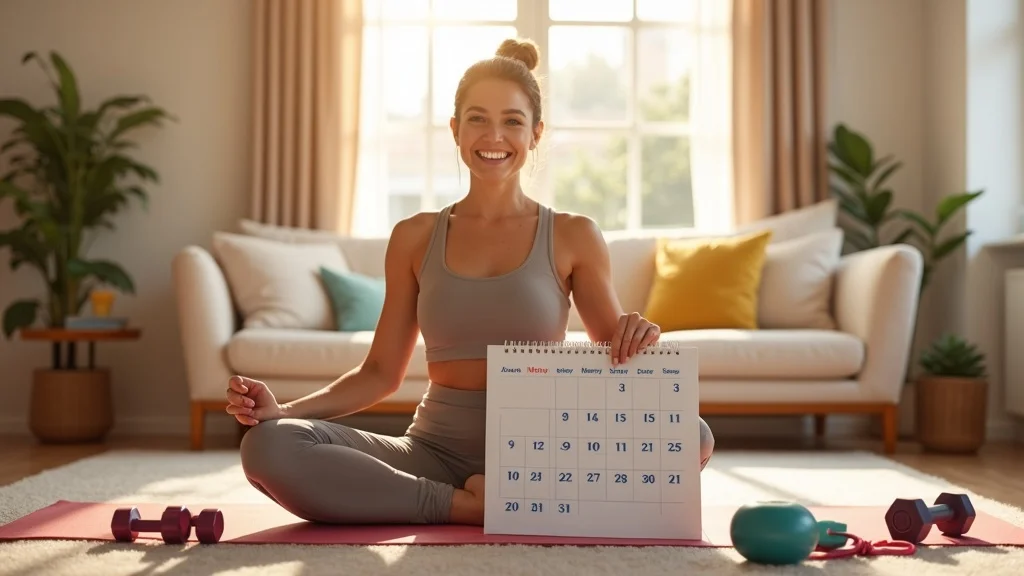
Reality check: The first week is always the hardest, but tracking visible progress builds confidence. Initial soreness and waning willpower are normal. Overhyping “overnight transformations” (especially during deal days hype) sets most people up for disappointment. The real win is recognizing small achievements—whether it’s sticking to 15 minutes of daily movement, burning calories with short HIIT bursts, or reaching new heart rate milestones with a basic fitness tracker.
Weighted Vests and Wearables: Hype or Helpful in Fitness?
Weighted vests can have a significant impact on workouts, but like any gear, they’re not a silver bullet. Adding a weighted vest in my own routines made bodyweight exercises—like squats and lunges—more challenging and improved my strength. The extra load helps boost cardiovascular effort and burn fat more efficiently when used during walks or interval workouts.
From a first-person perspective, wearable fitness gear like weighted vests and advanced trackers should only be considered after you’ve built a foundational habit of daily movement. Early adoption without healthy routines can be demotivating or even lead to injury. Weighted vests are ideal for those seeking to maximize routine activities and ramp up their calorie burn, but aren’t necessary for everyone.

Life Time and Other Premium Fitness Clubs: Are They Worth the Hype?
Editor’s Opinion: Pros, Cons, and Surprises

For comparison, Life Time clubs offer luxury amenities—spa pools, plush lounges, premium classes—and a social scene you simply won’t find at Planet Fitness. The catch? High monthly costs and the possibility of “all show, little sweat” if you’re easily distracted by the extras. During my brief stint with Life Time, I appreciated the upscale atmosphere and felt motivated by positive peer pressure, but longtime results depended on my actual effort.
Budget-friendly gyms like Planet Fitness strip away glamour in favor of accessibility and basic functionality. If amenities won’t motivate you but cost does, choose accordingly. The best club is the one you’ll visit regularly—no matter how fancy the towels.
Watch this step-by-step animated explainer for guidance on selecting the best fitness strategy—whether you’re aiming for HIIT, gym sessions, or a tracker-supported plan.
PAA: What are the fastest ways to improve fitness?
Fastest Ways to Improve Fitness
High-intensity interval training (HIIT)—short bursts of effort that burn fat and calories quickly
Daily activity—walking, biking, or even frequent stretch breaks make a big impact over time
Consistent use of a fitness tracker to monitor heart rate and adjust routines
“Habit hacks”—such as scheduling workouts like appointments or leveraging social accountability
Integrating fast and effective fitness tactics can radically elevate your routine. HIIT workouts, in particular, turn brief moments of exertion into big results—making them a cornerstone for burning calories for everyone from busy parents to time-crunched professionals. Coupling HIIT or daily movements with a reliable fitness tracker gives real-time feedback, helping users adjust intensity or rest days for optimal results. The real game-changer, though, is in the “habit hacks”—such as enlisting a workout buddy, setting smartphone reminders, or even rewarding yourself for staying consistent. Ultimately, rapid gains are possible if you make your new routine sustainable.
PAA: Is it possible to get fit quickly and safely?
Balancing Quick Results with Safe Fitness Practices
There’s no shortcut worth risking your health for—editorial experience shows that rapid progress is possible, but only if paired with safe, science-backed practices. Focus on consistency, adequate hydration, proper sleep, and active recovery to recover faster and avoid injury.
The best approach for quick and safe fitness improvements is to set realistic expectations. While you may see visible changes within 2–4 weeks of consistent effort, cutting corners with unsafe diets or neglecting recovery increases the risk of burnout and setbacks. Regularly check in with your body: monitor pain, sleep, and fatigue signals. Tools like the Oura Ring or a simple app can help fine-tune rest and training cycles. Make gradual increases in intensity—never double up on session length overnight. The aim is fast, safe, and lasting transformation.
PAA: Do fitness gadgets vs. gym memberships produce different results?
Fitness Gadgets vs. Gym Memberships
Fitness gadgets, like trackers or Oura Rings, are ideal for people who love data and want to stay on top of heart rate and activity trends at home. Gym memberships—especially at budget gyms like Planet Fitness or premium clubs like Life Time—offer community, equipment, and structure.
Personal use reveals this: gadgets can keep you honest and identify weak spots; gyms supply motivation and social interaction but require regular attendance. The best results come from blending the two—using a tracker for accountability and a gym for variety and community support.
Deciding between gadgets and gym memberships is ultimately about mindset and lifestyle. If you thrive on competition, group classes, or direct trainer feedback, memberships bring big benefits. If you prefer going solo and crave flexibility, a fitness tracker keeps you on task wherever you are. Both have their drawbacks—trackers can become forgotten accessories, while gyms can turn into sunk cost if motivation wanes. My advice: start with one, add the other when you need a new spark.
FAQs About Fitness
What’s the best time to exercise for results?
The best time is whenever you can be consistent. Studies show slight metabolic and performance benefits to late afternoon or early evening workouts, but the “right” time is the one you’ll actually stick to.Are nutrition or workouts more important for fitness?
Nutrition and workouts go hand in hand. Clean, balanced eating powers your sessions and recovery. For most people, a simple rule of thumb: “You can’t out-train a bad diet.”Do I need a fitness tracker to get fit?
Fitness trackers make progress visible and keep you accountable, but they’re not required. Many people see life-changing results using pen-and-paper logs, habit calendars, or simple reflection.
Key Takeaways From a Realistic Fitness Journey
Sustainable change always outlasts overnight results—be patient, and aim for steady progress.
Gyms, deals, and gadgets are only tools. Use them as aids, not crutches, to support your fitness goals.
Ready to Take Real Action? Start With One Simple Fitness Step Today
Don’t wait for a “big deal”—try a 10-minute walk, a set of squats, or a new hydration habit today. Consistency, not perfection, is your fast fix to fitness for life.
Sources
To further enhance your fitness journey, consider exploring these authoritative resources:
The Mayo Clinic’s article, “Exercise: 7 benefits of regular physical activity”, outlines how consistent exercise can control weight, combat health conditions, improve mood, boost energy, promote better sleep, and more.
The Centers for Disease Control and Prevention (CDC) provides insights in their piece, “Benefits of Physical Activity”, detailing immediate and long-term advantages of regular physical activity, including improved brain health, weight management, reduced health risks, and enhanced daily functioning.
If you’re serious about improving your fitness, these resources offer valuable information to guide and support your efforts.


Write A Comment