Add Row
Add Element
UPDATE
Add Element
  • Home
  • Categories
    • Media Channel
    • Fitness
    • Lifestyle
    • Technology
    • Software
    • AI
    • HealthTech
    • Retention
    • Fitness Apps
    • Community
    • Nutrition
    • Automation
    • Personalization
    • Analytics
    • Fit Recipes
    • Special Event
    • Health
    • Extra News
    • Local News
February 28.2025
3 Minutes Read

Is PNF Stretching the Key to Better Mobility for Trainers?

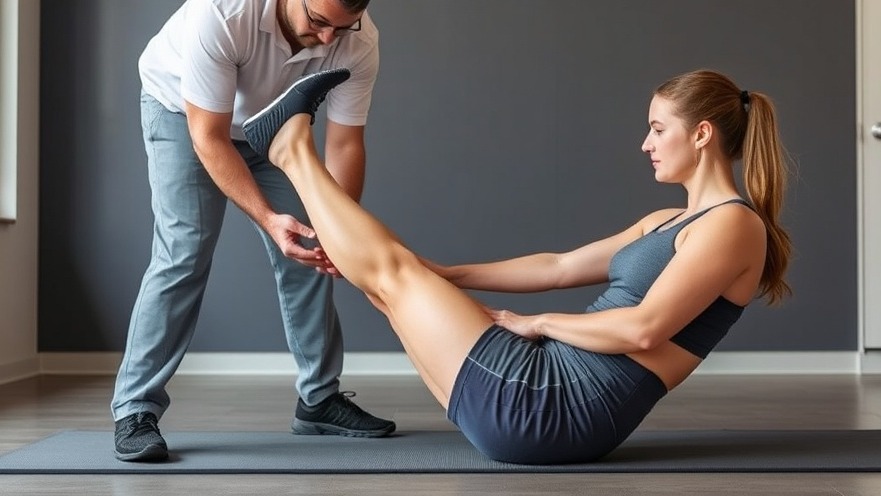
Professional therapist demonstrating PNF stretching benefits for athlete's flexibility and muscle strength.


Unlocking Mobility: The Science Behind PNF Stretching

Proprioceptive Neuromuscular Facilitation, or PNF stretching, is revolutionizing the fitness landscape, creating buzz among gym owners and trainers alike. Originally designed to aid rehabilitation for patients with neurological disorders, PNF has now emerged as an essential technique for athletes and fitness enthusiasts striving to enhance flexibility and range of motion.

What is PNF Stretching?

PNF stretching is a sophisticated method that employs a unique interplay of contraction and relaxation to boost muscle flexibility and strength. The process involves initially stretching a muscle, then contracting it, and followed by a deeper stretch. This concept, rooted in neurophysiology, harnesses the body's reflexes to yield noticeable improvements in flexibility and strength. Developed in the 1940s, today's fitness experts advocate for PNF as a key component in regimens aimed at maximizing mobility and performance.

The Mechanisms at Play

Understanding how PNF works can empower trainers to implement this technique effectively in their practice. The principle of "autogenic inhibition" is central to this process. When a muscle is contracted, it sends a signal to relax, aided by sensory receptors known as Golgi tendon organs. This facilitates a more profound stretch because the muscle instinctively eases tension post-contraction, enhancing flexibility more rapidly than traditional static or dynamic stretching methods.

Comparative Insights: Other Stretching Techniques

While static and dynamic stretching are widely known, PNF dramatically stands out in terms of efficacy. Static stretching involves holding a position to elongate the muscle, whereas dynamic stretching incorporates movement (think high knees) to increase blood flow and prepare the body for physical activity. In contrast, PNF incorporates both methods, elevating muscle engagement and thus effectiveness. Research has shown that PNF stretching can lead to greater ROM—including significant improvements in hamstring flexibility—more swiftly than either traditional method.

Benefits of Incorporating PNF Stretching

The advantages of PNF are compelling, particularly for up-and-coming trainers looking to elevate their clients' performance. Studies indicate that athletes utilizing PNF stretching techniques can experience improved speed and agility, reduced risk of injury, and quicker recovery times. Furthermore, regular practice of PNF stretching can lead to noticeable muscle strength gains, with evidence suggesting enhancements in vertical jump performance over just a few weeks of dedicated practice.

Potential Risks: Practicing With Caution

Despite its benefits, trainers must exercise caution when implementing PNF stretching. Without proper guidance, individuals risk injury, particularly if they have pre-existing conditions or are new to stretching. Therefore, it’s essential to advise clients to work with certified professionals skilled in PNF techniques. An awareness of personal fitness levels and health status is vital to ensure safe practices.

Real-World Applications for Fitness Trainers

For fitness trainers and gym owners, integrating PNF into their training arsenal can create a significant competitive edge. By offering PNF stretching sessions or clearly articulating its advantages in client education, trainers can enhance their clients' mobility, recovery, and overall performance. This could also foster loyalty and attract clientele keen on serious fitness advancements.

Conclusion: Why PNF Matters in Your Fitness Journey

As the fitness industry evolves, innovative methods like PNF stretching continue to play a pivotal role in how we approach mobility and fitness performance. For trainers, understanding and using PNF can not only enhance their teaching methods but fundamentally improve the outcomes for their clients. Ready to take your clients' performance to the next level? Consider incorporating PNF techniques into your training routines today. Knowledge truly is power in this ever-evolving fitness landscape.


Fitness

Write A Comment

*
*
Related Posts All Posts
12.27.2025

Transform Your Body with Effective 30-Minute Fat Burn Workouts!

Update The Importance of At-Home Workouts In today's fast-paced world, finding time to visit the gym can be a challenge, especially for beginners. The emergence of at-home workouts has revolutionized fitness, making it accessible for everyone, regardless of their schedule. With the right routine, you can accomplish significant results without ever stepping foot in a gym. The health and fitness community is buzzing about these opportunities as they empower individuals to take control of their health in familiar surroundings.In "Quick Fat Burn with 30 Min WeightLoss Workout - Perfect for Beginners!", the discussion dives into the significance of at-home workouts and effective fat-burning routines, exploring key insights that sparked deeper analysis on our end. Key Benefits of a 30-Minute Fat Burning Routine The workout featured in the video "Quick Fat Burn with 30 Min WeightLoss Workout - Perfect for Beginners!" presents a structured approach to burning belly fat in just 30 minutes. This routine not only promotes fat loss but also enhances cardiovascular health, boosts mood, and increases energy levels. Involving bodyweight exercises allows participants to build strength and endurance using their own weight, a method that is not only effective but also safe for new exercisers. Nutrition: The Other Half of the Equation As highlighted in the video, pairing regular workouts with clean eating is crucial for achieving desired results. A focus on whole foods, minimizing sugar and processed carbohydrates, contributes significantly to weight loss and overall health. Understanding the relationship between diet and exercise ensures that those committed to a fitness journey make choices that support their goals. Gradual Progression: Essential for Success The structured weekly increase in workout frequency encourages gradual adaptation as fitness levels improve. Starting from three days a week and gradually moving up to six allows the body to adjust, building strength without risking injury. This method is not only sustainable but also fosters a sense of accomplishment that can motivate individuals to stick with their fitness goals. Challenges and Solutions in Fitness Routines Any workout routine can come with its share of challenges, from lack of motivation to difficulty in maintaining consistency. Addressing these factors is essential for beginners looking to get the most out of their workouts. Setting realistic goals, keeping a workout journal, and finding a workout buddy can enhance commitment and accountability. Also, recognizing that progress takes time can help alleviate frustration and keep one focused on the end goal. The Impact of Community in Fitness Creating a supportive community is vital for those embarking on a fitness journey. Through online platforms, fitness enthusiasts can share their experiences, tips, and encouragement with one another. Engaging in a community helps beginners feel connected and less isolated, ultimately increasing their likelihood of sticking with their workout plan. In conclusion, the video "Quick Fat Burn with 30 Min WeightLoss Workout - Perfect for Beginners!" effectively highlights essential strategies for those new to exercise, consistently demonstrating the efficacy of simple but powerful bodyweight workouts. By integrating these exercises into a well-rounded approach that also emphasizes nutrition and community support, anyone can embark on a successful fitness journey and expect to see results. Whether you're a gym owner or a fitness trainer, incorporating such routines and advice into your programs can significantly enhance the success of your clients. Encourage them to share their experiences and stay motivated as they embark on this transformative journey.

12.28.2025

Elevate Your Fitness Routine with Dumbbell Lateral Raises: A Must-Do for Defined Shoulders

Update Unlocking Defined Shoulders: The Dumbbell Lateral Raise If you aspire to have strong and well-defined shoulders, incorporating the dumbbell lateral raise into your workout routine is essential. This targeted exercise not only promotes strength and muscle definition in the lateral deltoids but also enhances overall shoulder stability and aesthetic appeal. A proper execution of this move is crucial to achieving results. Let's explore how to do it effectively and understand its myriad benefits. Understanding the Benefits of Dumbbell Lateral Raises The dumbbell lateral raise primarily focuses on the lateral deltoids, which significantly influence your shoulder's appearance and sturdiness. By strengthening these muscles, you not only attain a visually appealing shoulder width but also foster joint stability. Well-developed lateral deltoids lead to optimal shoulder function, which can prevent injuries during other pressing movements. The benefits extend beyond aesthetics. Regularly performing lateral raises can enhance your performance across various upper-body exercises. By creating a balance in shoulder strength, you reduce the risk of injury and improve your daily functional movements. Whether you’re lifting groceries or reaching for a shelf, strong lateral deltoids matter! Mastering the Technique: How to Perform Lateral Raises Correctly While the dumbbell lateral raise may appear straightforward, correct form is vital. Here’s how to perform this exercise: Start by standing tall with a dumbbell in each hand, palms facing your sides and feet hip-width apart. With a slight bend in the elbows, exhale as you raise your arms out to the sides until they’re parallel to the ground. Hold for a moment at the top to feel the contraction before lowering slowly. Prioritize control over speed—this ensures you reap the benefits while minimizing the risk of injury. Common Mistakes and How to Avoid Them Even though the lateral raise seems simple, many can fall prey to common mistakes. A frequent error involves lifting weights that are too heavy, leading to compromised form. It's essential to choose a weight that allows for eight to ten good repetitions without forcing you into awkward positions. Another mistake is lifting the dumbbells too high. Ideally, you should only raise until your arms are shoulder height to prevent discomfort and strain. Lastly, avoid using momentum during the lift; this steals the effort from your deltoids. Remember, lead with your elbows, and keep those shoulders relaxed and back throughout the movement. Integrating Lateral Raises into Your Routine For best results, aim to incorporate lateral raises into your upper body workouts two to three times per week. As you progress, consider increasing the weights gradually while maintaining proper form. This not only builds strength but also keeps your workout routine dynamic and engaging! Lateral raises can easily fit into a broader routine; pairing them with front raises and reverse flies in a circuit can comprehensively target all sections of your deltoids. This approach provides not just build-up in strength, but variety and excitement in workouts. In conclusion, mastering the technique of dumbbell lateral raises can bring extensive benefits to your training journey. Aim to build those defined shoulders—it’s time to start feeling stronger and more balanced in your movements. Now, who’s ready to get started?

12.28.2025

Unlock Strength and Stability with Dumbbell Bulgarian Split Squats

Update A Comprehensive Guide to the Bulgarian Split Squat If you're seeking to enhance your leg day routine, the Bulgarian split squat with dumbbells is an incredible exercise that should not be overlooked. More than just a simple lower-body workout, it promotes strength, coordination, and stability, significantly boosting your overall fitness regimen. What Is the Dumbbell Bulgarian Split Squat? The Bulgarian split squat is a variation of the traditional squat that focuses on one leg at a time. By elevating your back foot on a sturdy surface, you increase your range of motion and give your muscles a rigorous workout. This exercise primarily targets your quadriceps, glutes, hamstrings, calves, and core, allowing you to engage multiple muscle groups with one movement. Understanding the Muscle Engagement During the Bulgarian split squat, your front leg bears most of your body's weight while your elevated leg helps stabilize your posture. This allows you to improve not just strength but also muscle coordination and balance. By engaging your rear leg and core, this workout also leads to better core strength and hip stability, an aspect crucial for athletes and everyday fitness enthusiasts alike. This unique dynamic helps identify and remedy any muscle imbalances in your legs. How to Perform the Bulgarian Split Squat Here’s a step-by-step guide on how to effectively perform this powerful exercise: Set Yourself Up: Stand a foot or two in front of a bench or sturdy platform, holding dumbbells by your sides. Rest Your Back Leg: Place the top of your foot on the bench behind you, ensuring your front foot is firmly planted. Engage Your Core: Draw your core muscles in while maintaining an upright chest. This helps in avoiding any leaning forward that might compromise your posture. Begin Your Descent: Lower your body by bending the front knee until your back knee nearly touches the ground, ensuring your front knee does not extend beyond your toes. Drive Up: Push through the heel of your front foot to return to the starting position. Common Mistakes and Tips to Avoid It's essential to maintain proper form to avoid injuries. One common mistake is allowing the front knee to extend too far, which can strain your joints. Additionally, ensure that your back leg is extended enough to provide support; if it's too close, you might lose balance. Incorporating Variations for Progression Once you master the basic Bulgarian split squat, consider trying a few variations to advance your workout. Popular options include holding a kettlebell in a goblet position or utilizing a stability ball for added challenge. Each version of the exercise can target slightly different muscle groups and serve to keep your workout fresh. The Broader Benefits of the Bulgarian Split Squat The benefits of Bulgarian split squats extend beyond mere muscle engagement. They can enhance your sports performance by building explosive strength in your legs. Moreover, they encourage overall muscle balance and stability, addressing any asymmetric strength you might have developed through other exercises. Final Thoughts and Recommendations Implementing the Bulgarian split squat into your fitness routine promises enhanced strength and coordination, making it essential for gym owners and fitness trainers alike to integrate this effective exercise. Whether you're aiming to correct muscle imbalances, push through a training plateau, or simply want to spice up your workout, this exercise is a dynamic and beneficial addition. Don't hesitate to try it out at your next gym session!

Terms of Service

Privacy Policy

Core Modal Title

Sorry, no results found

You Might Find These Articles Interesting

T
Please Check Your Email
We Will Be Following Up Shortly
*
*
*